ELSEWHERE
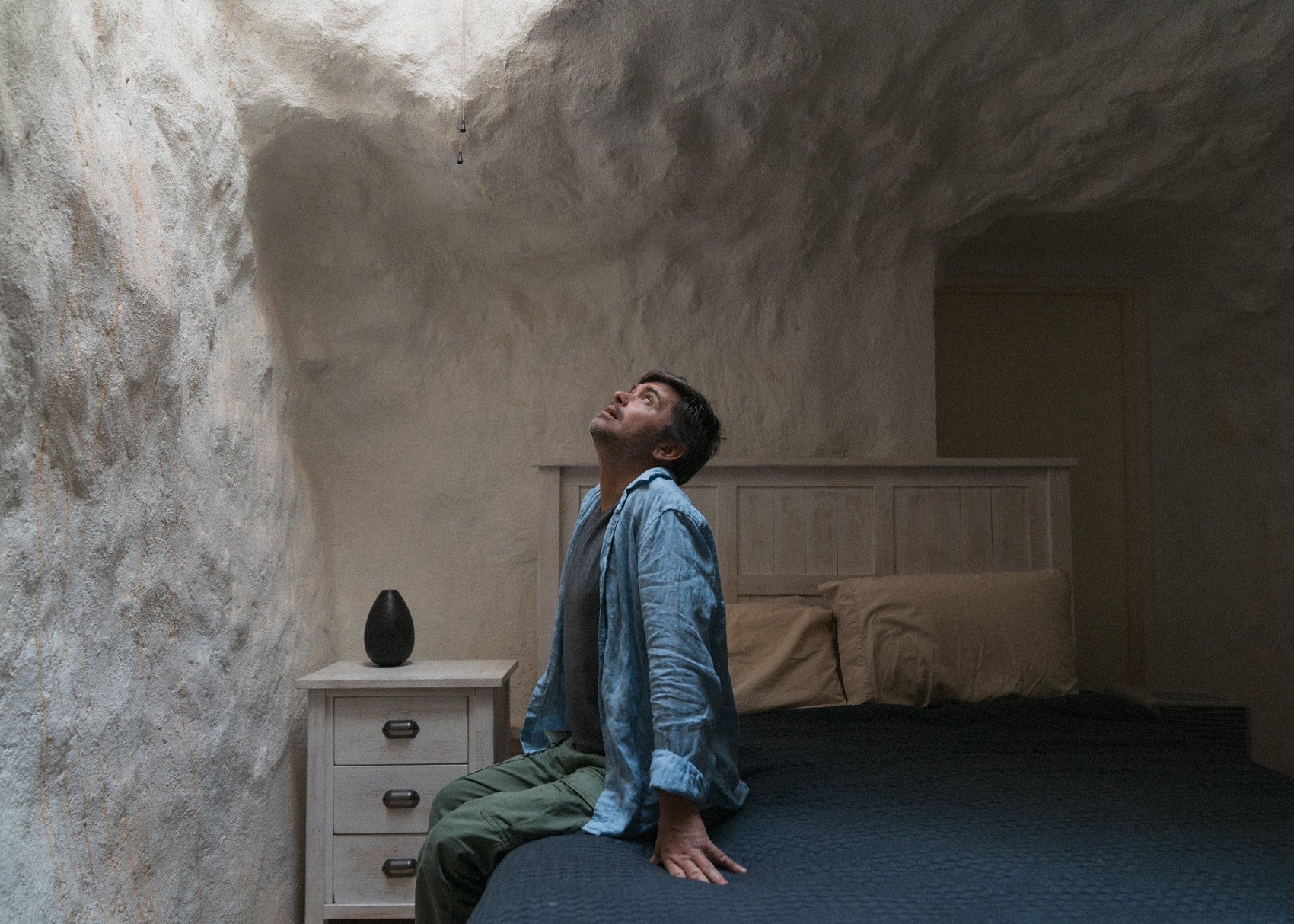
"This place is not for everyone. Some people find a home here, others think it's just a dust bowl. It also depends on how alone you can be, how much silence you can handle.”
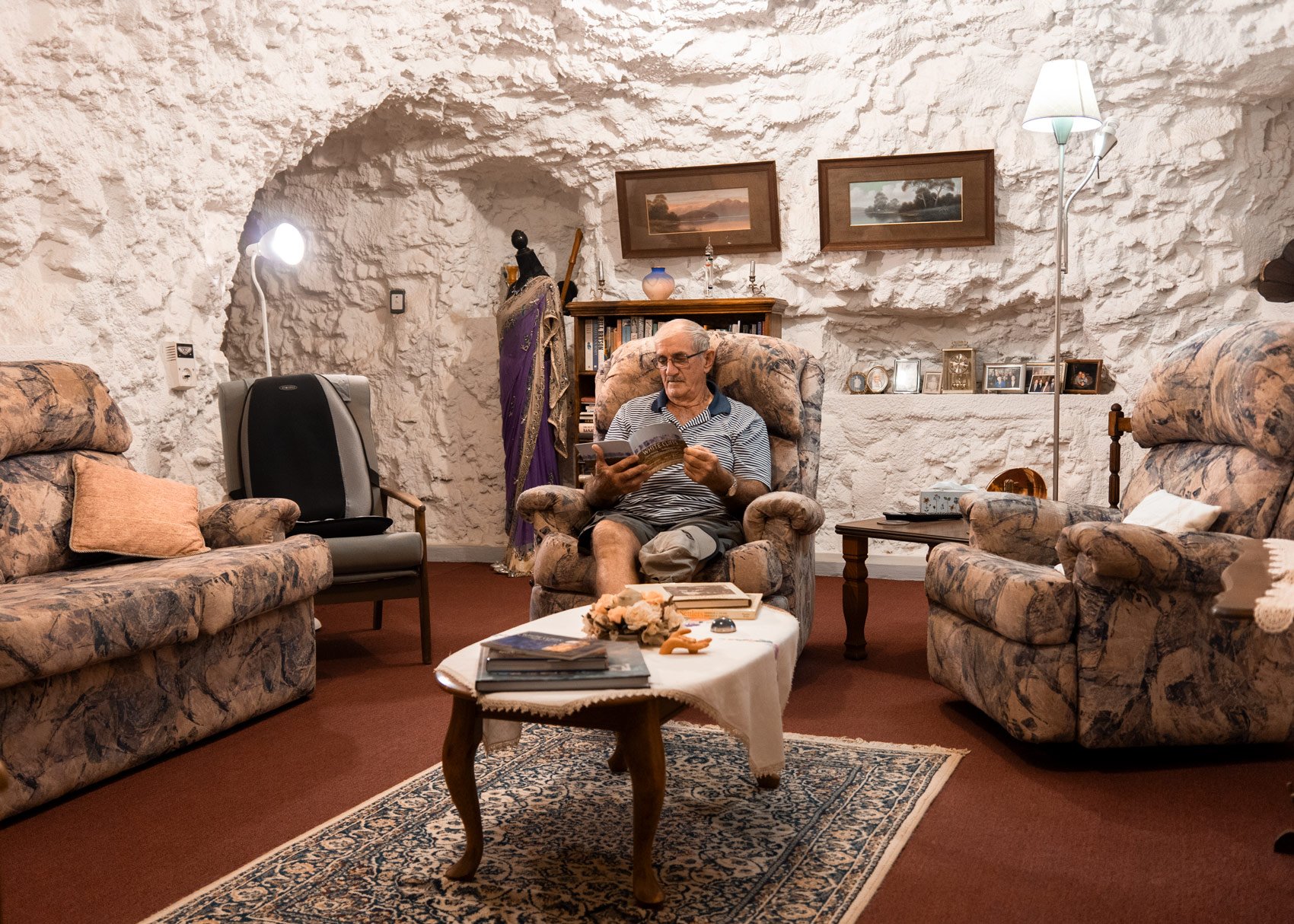
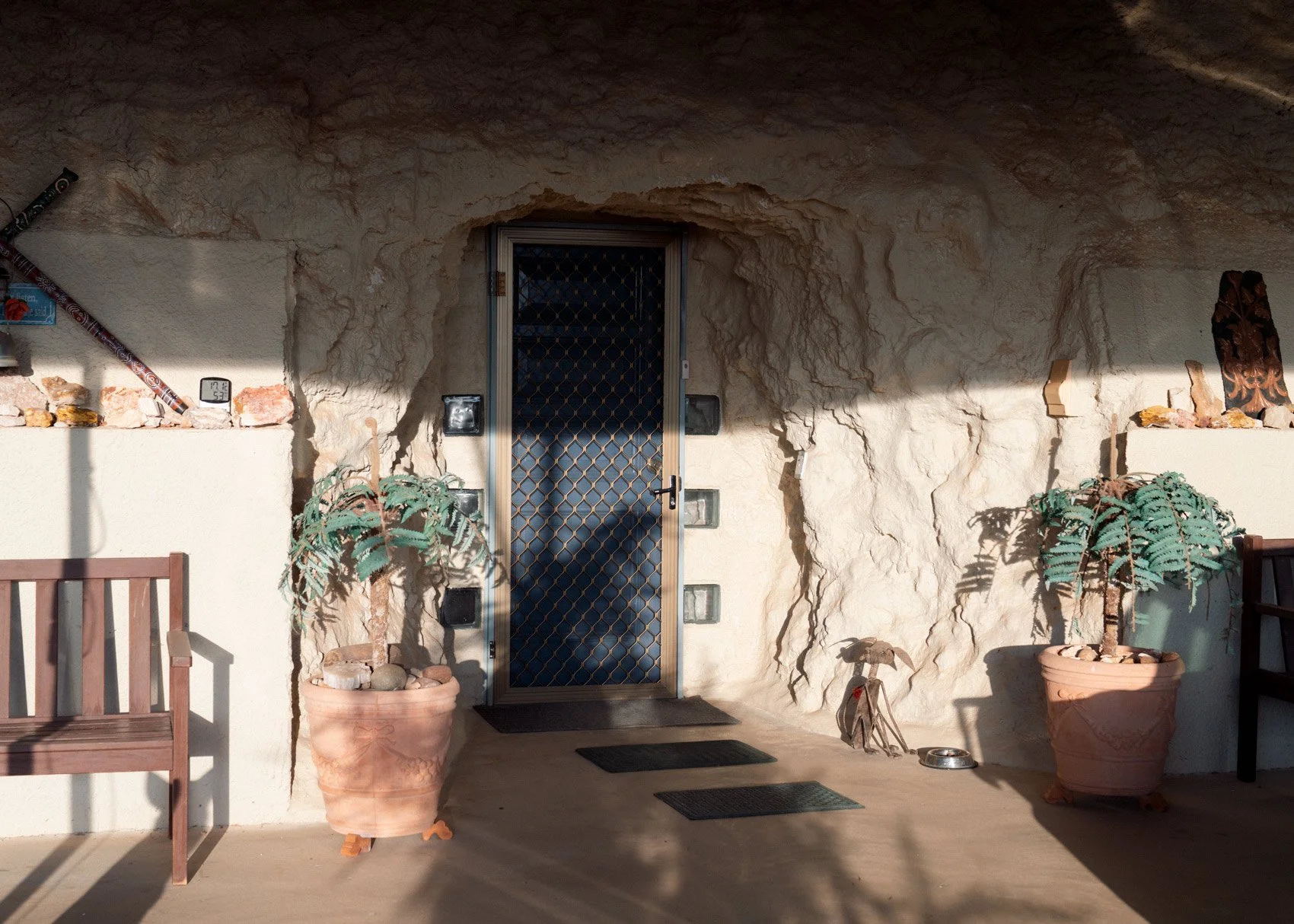
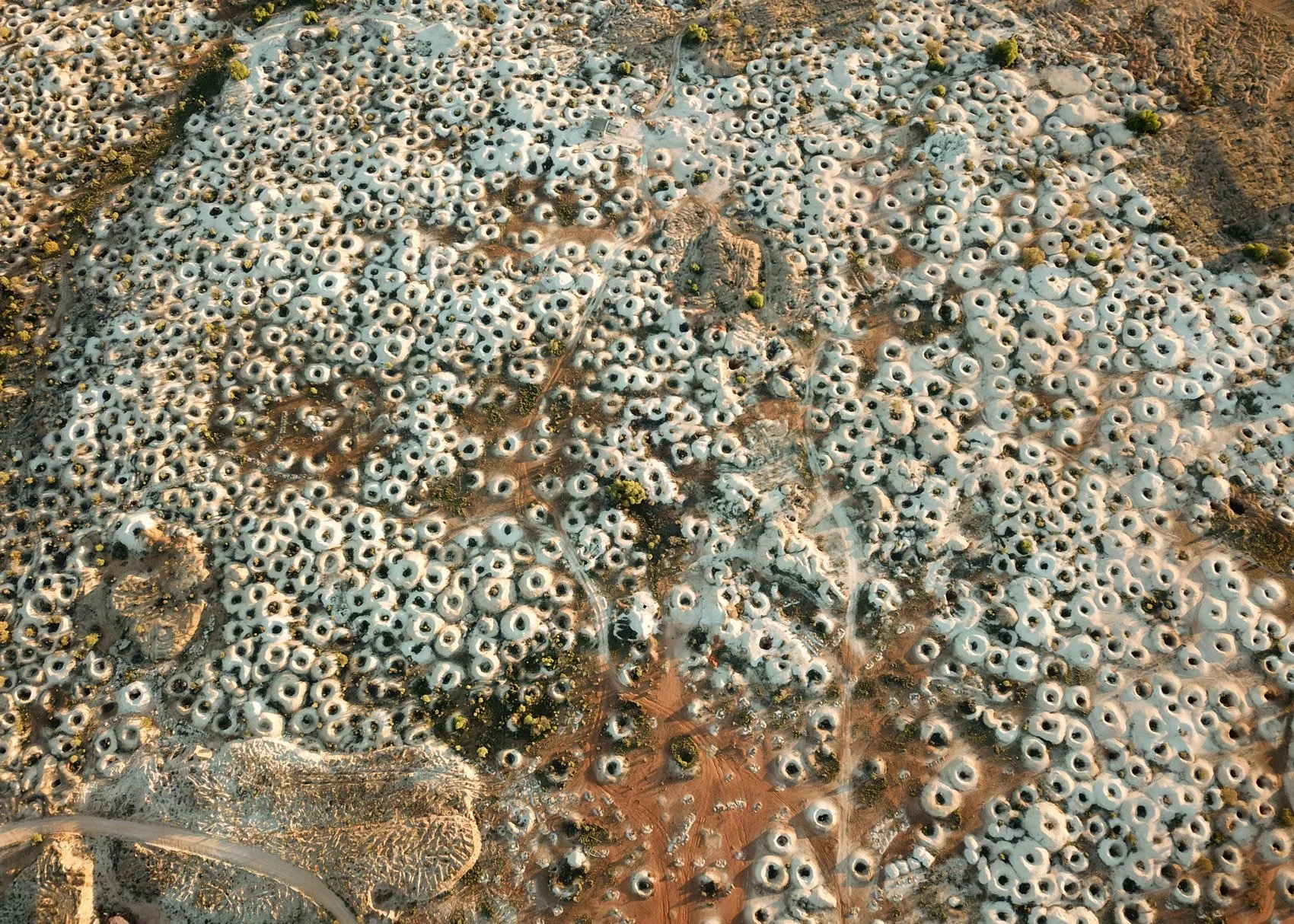
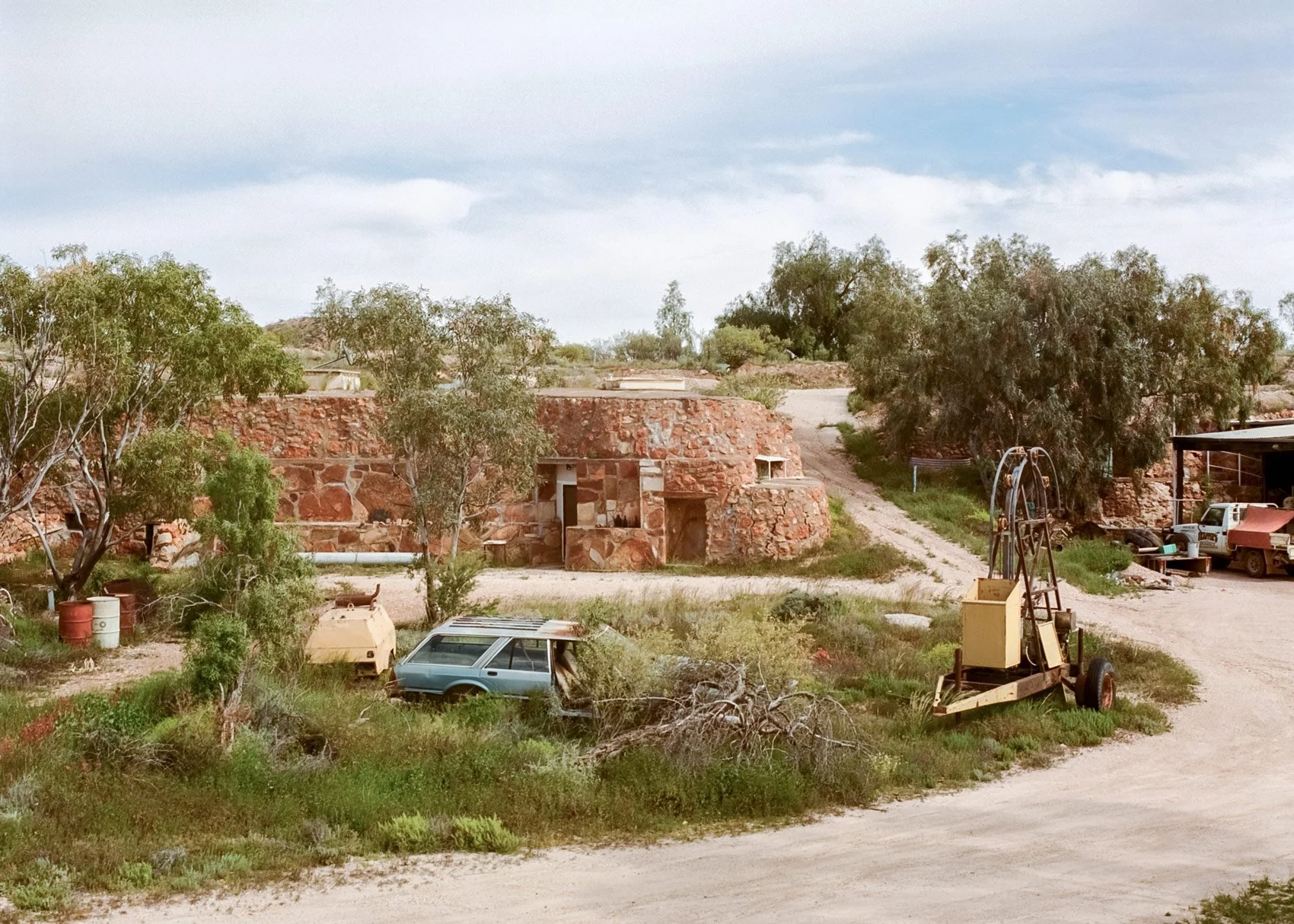
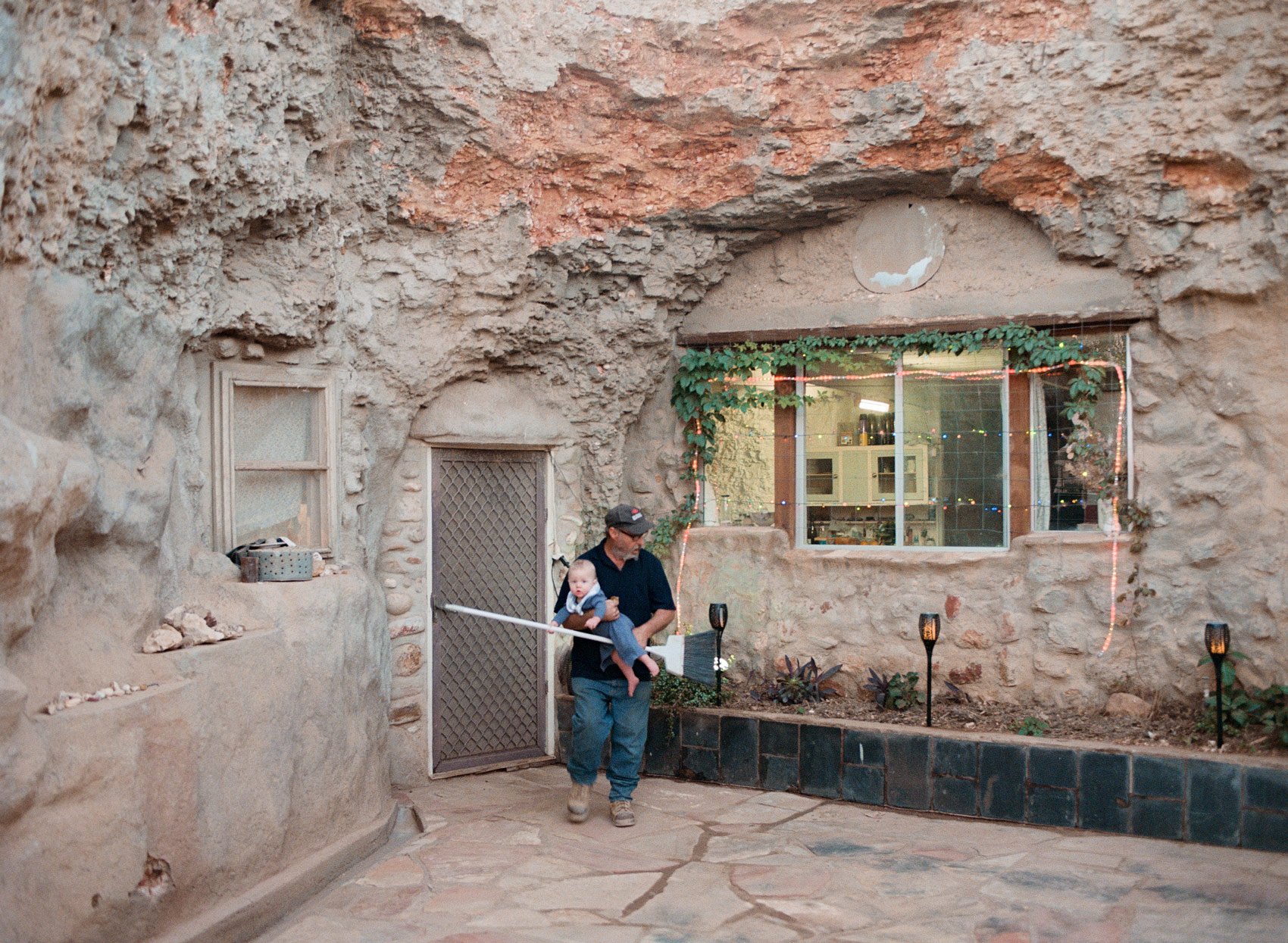
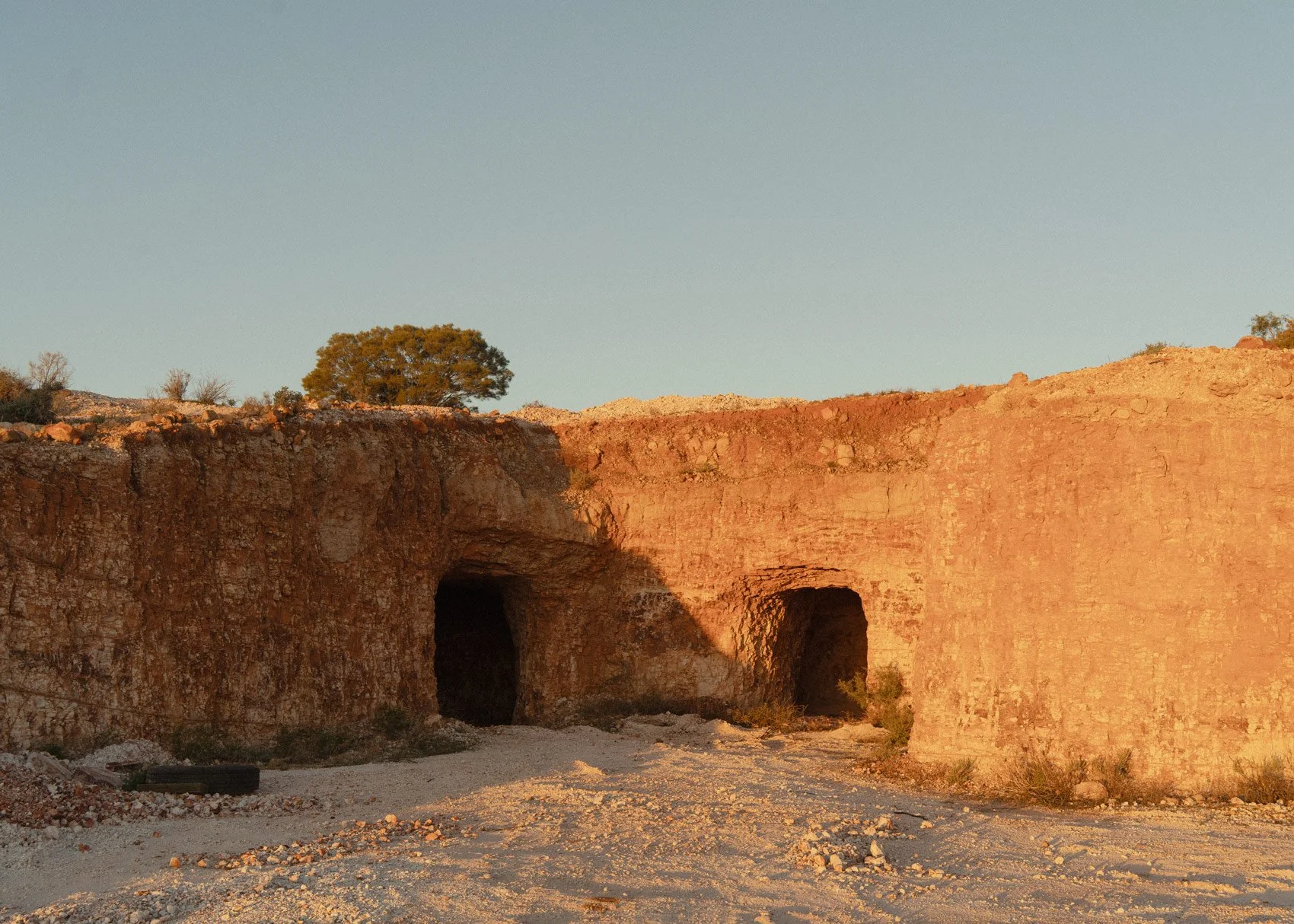
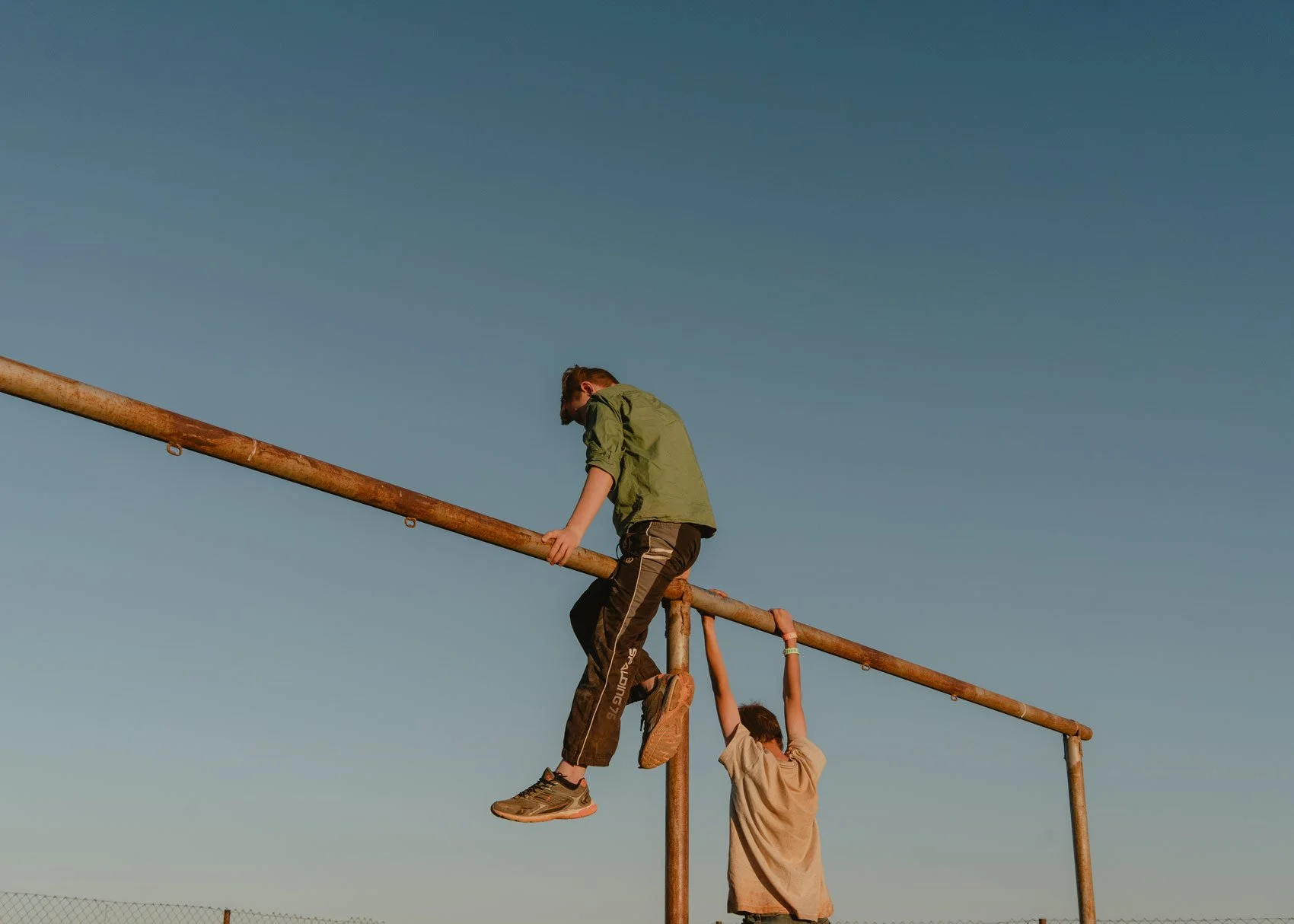
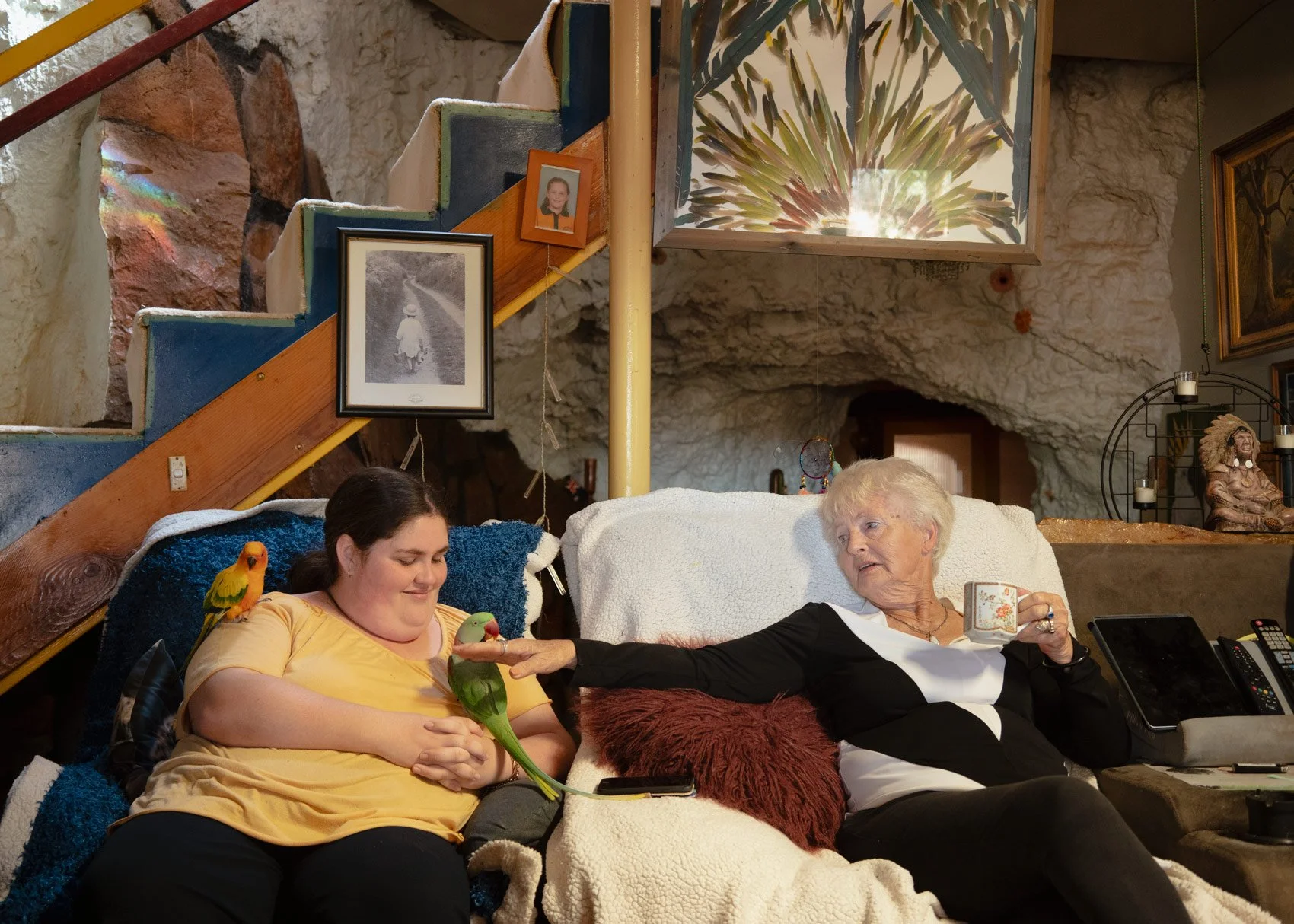
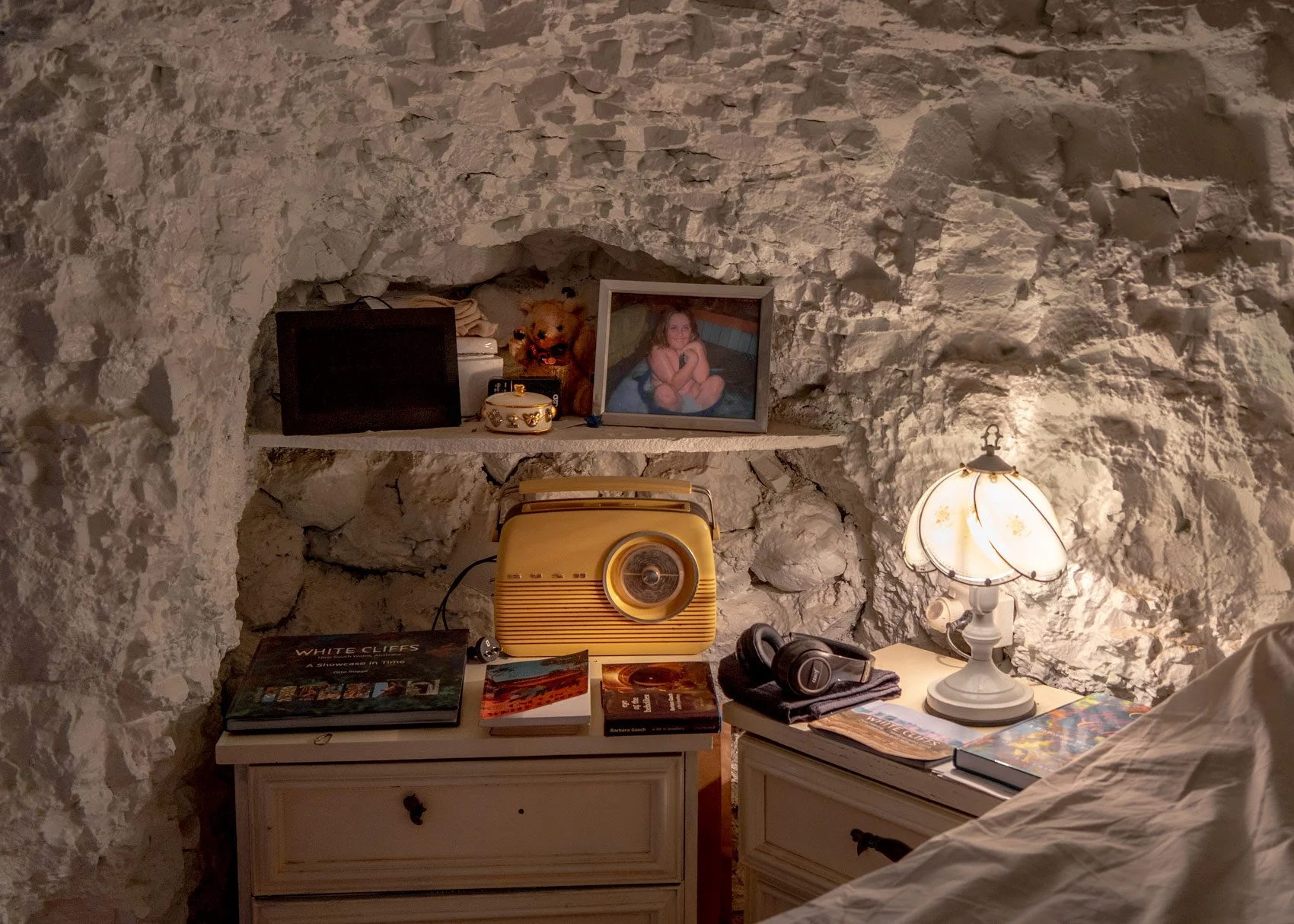
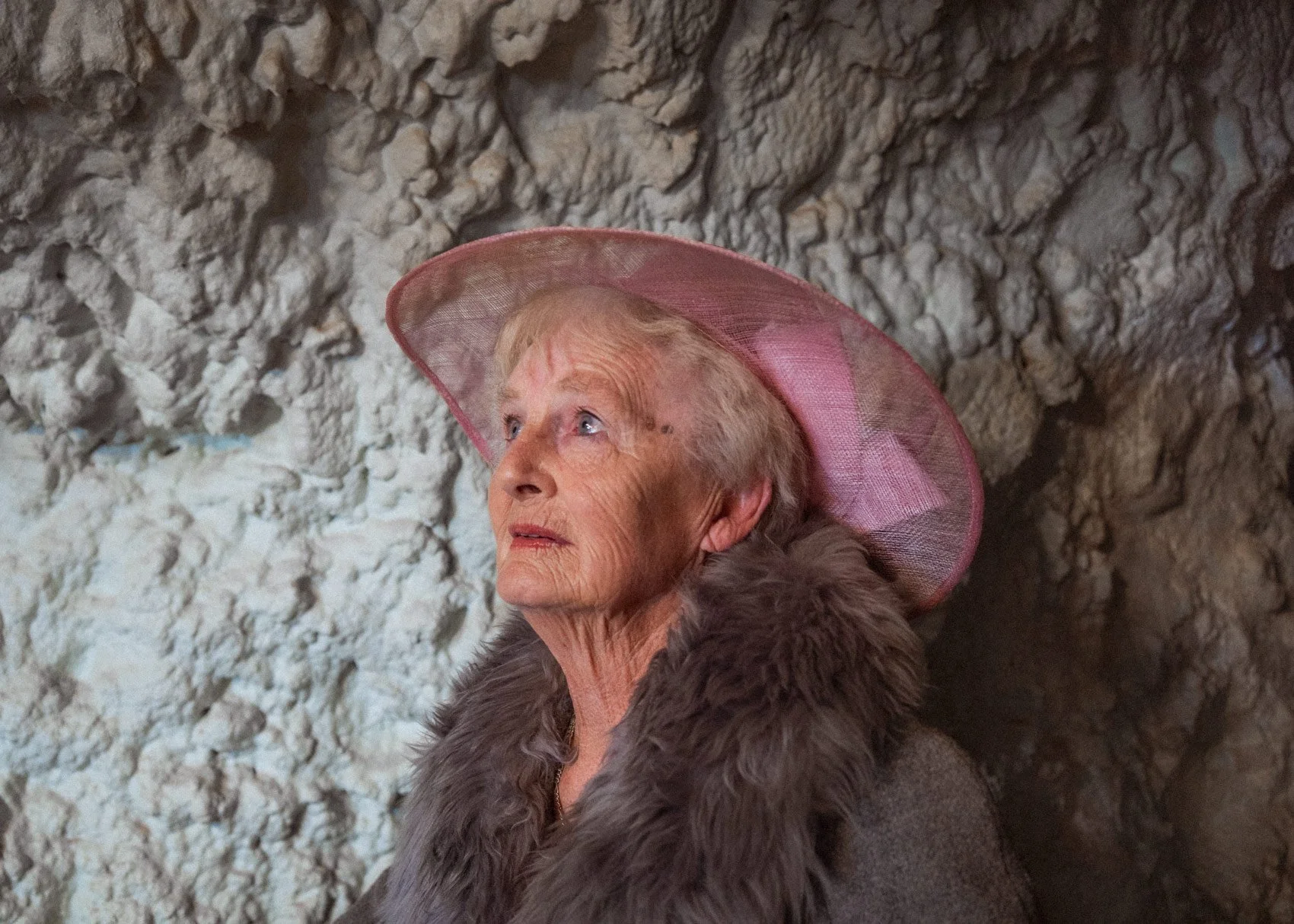
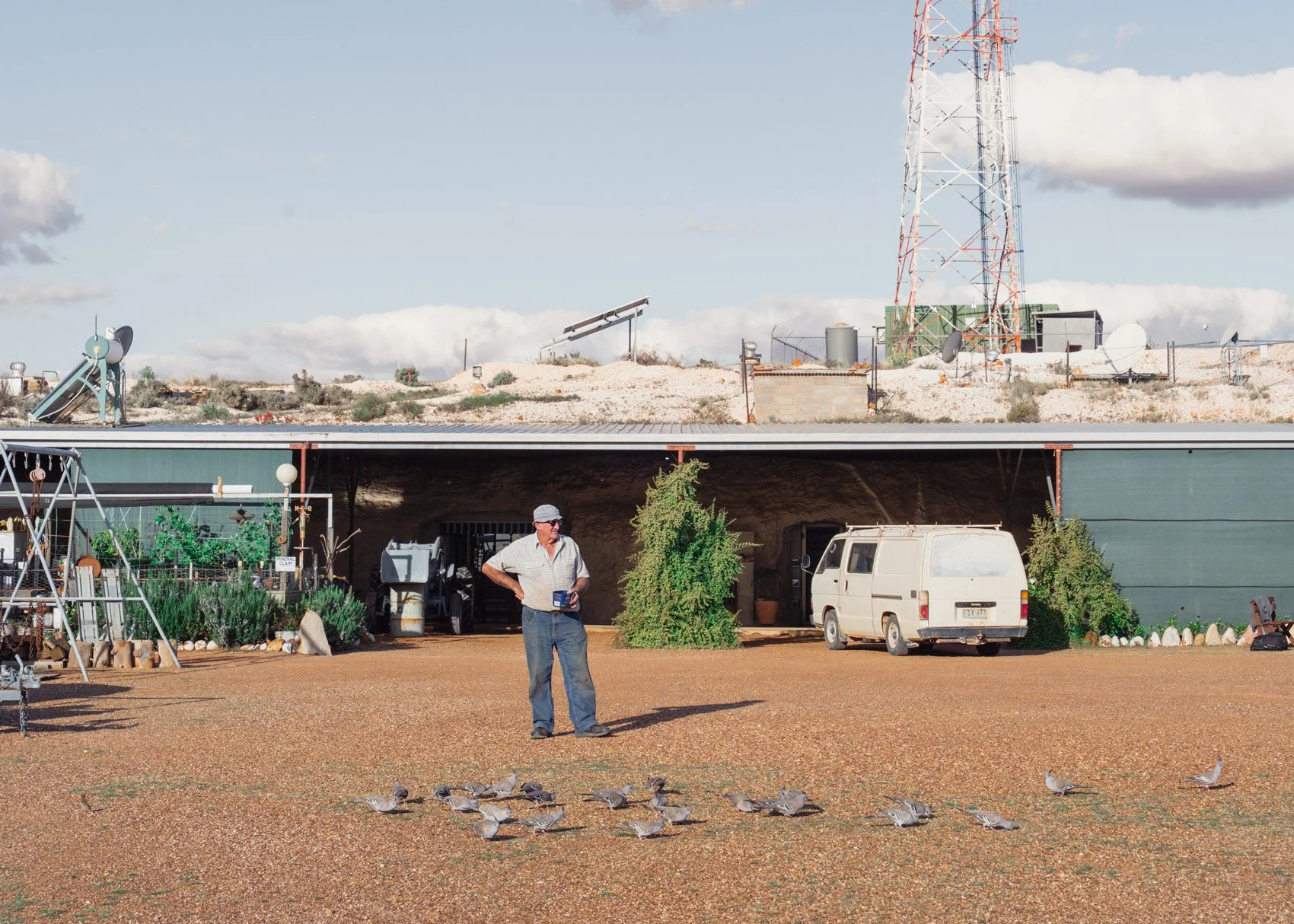
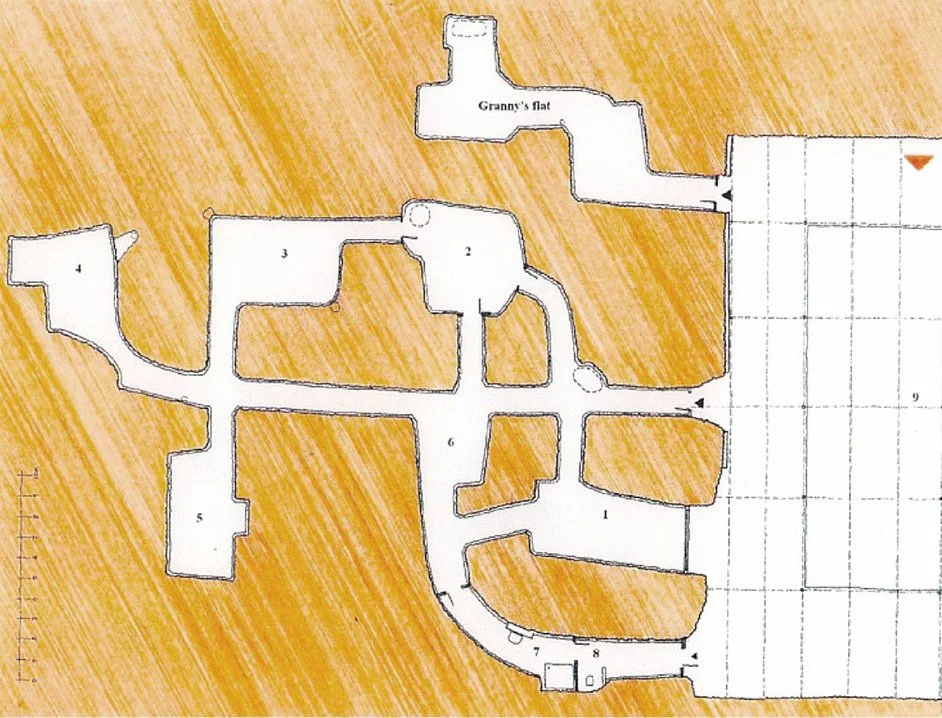
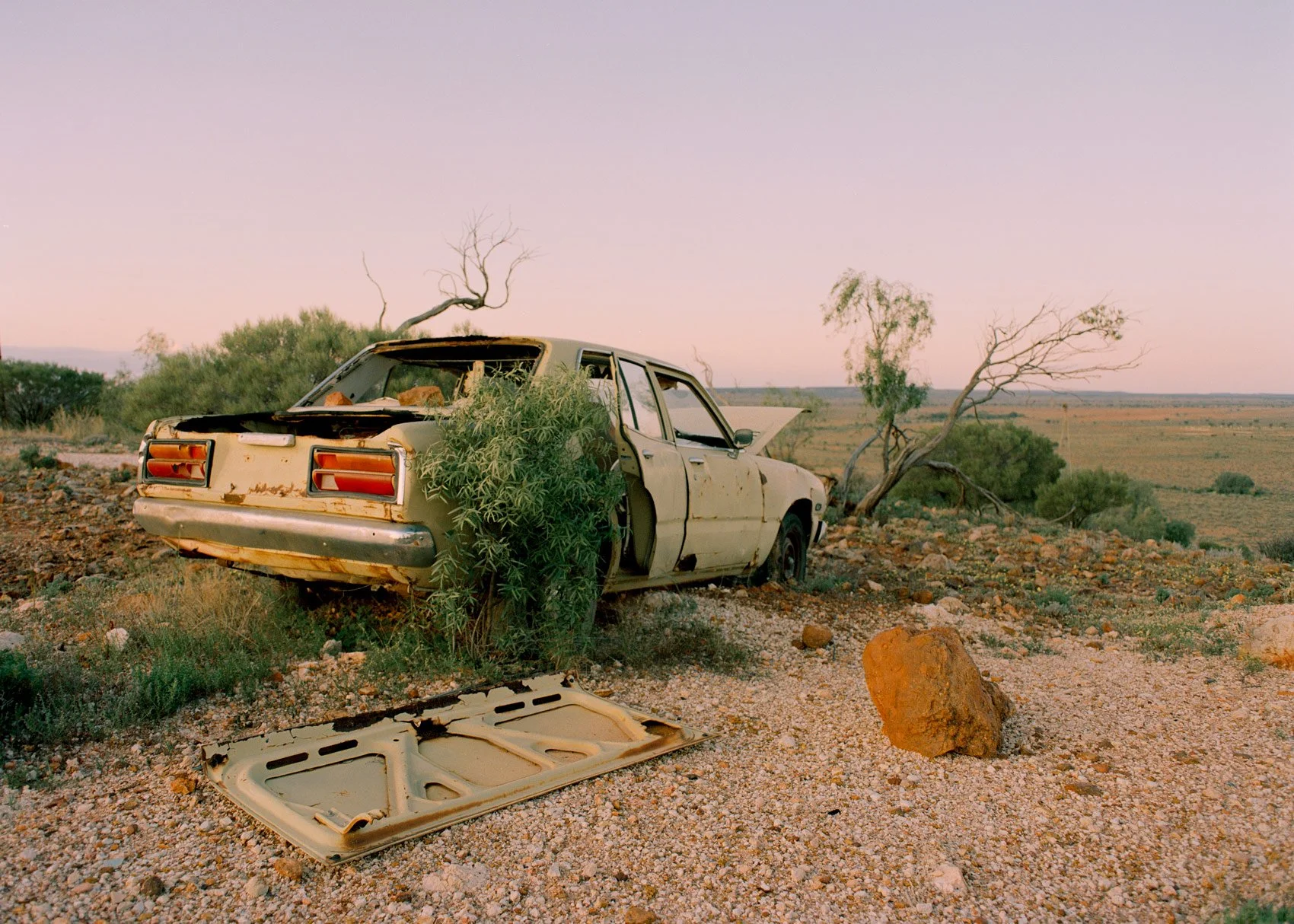
In the heart of the Australian Outback, a 12-hour drive west of Sydney, lies White Cliffs, a remote community of about 200 people. Here, extreme temperatures and scarce building materials mean most residents choose to live underground, in old mines converted into habitable dwellings.
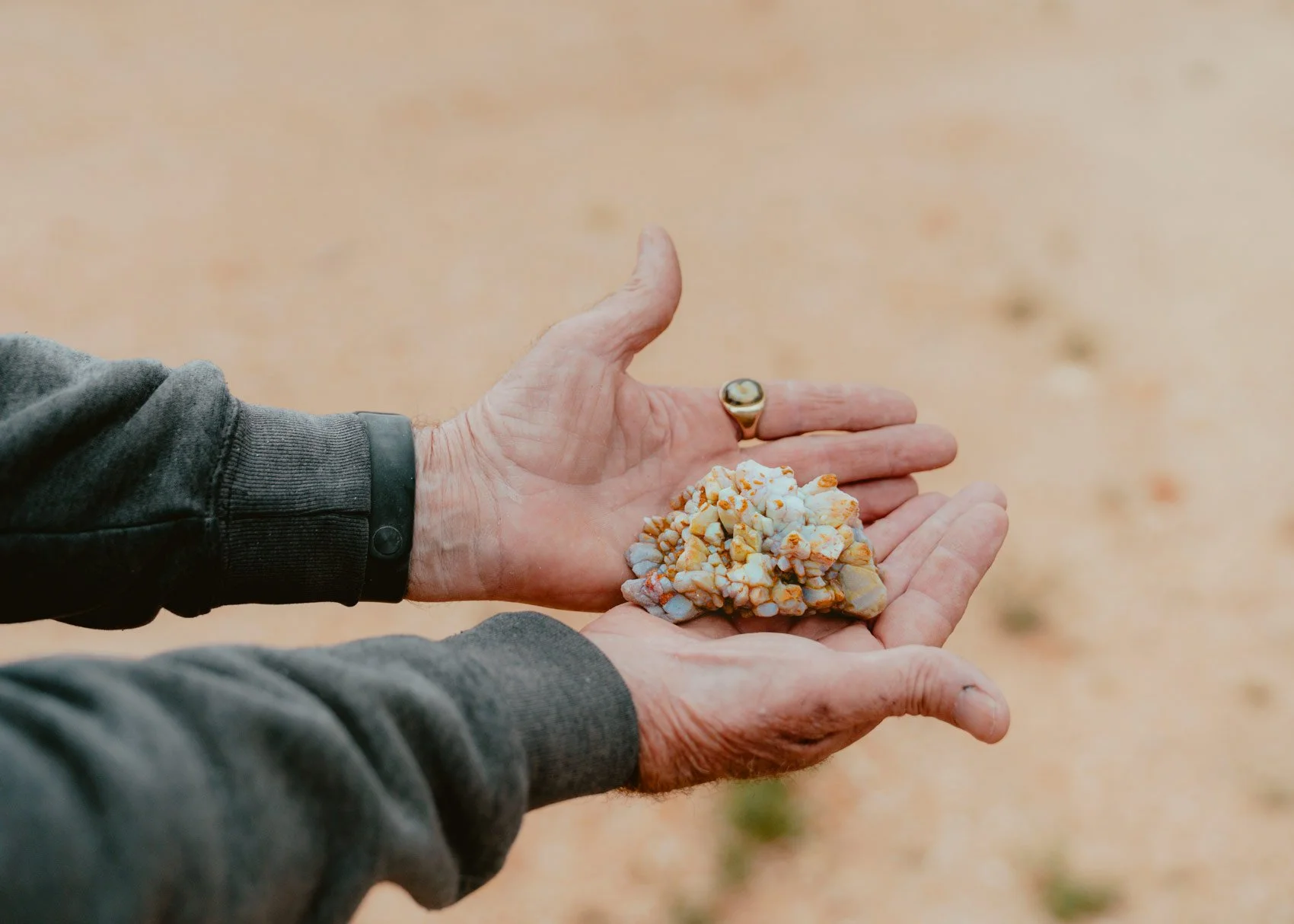
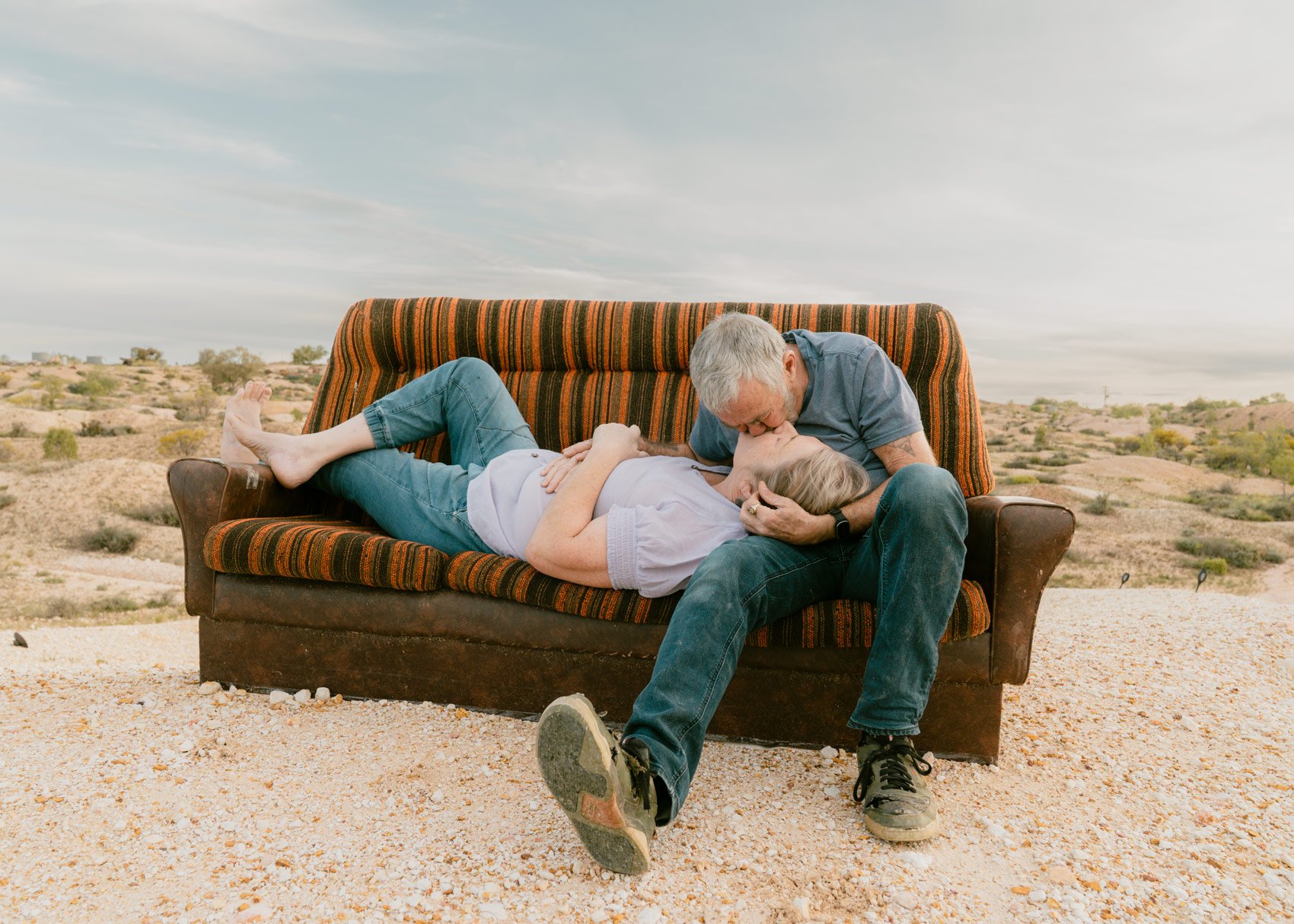
Founded in the late 1800s as an opal-mining settlement, White Cliffs today attracts people for many reasons. While some still work the opal fields, most come for a slower pace of life, to escape the pressures of big cities, or simply to afford more space.
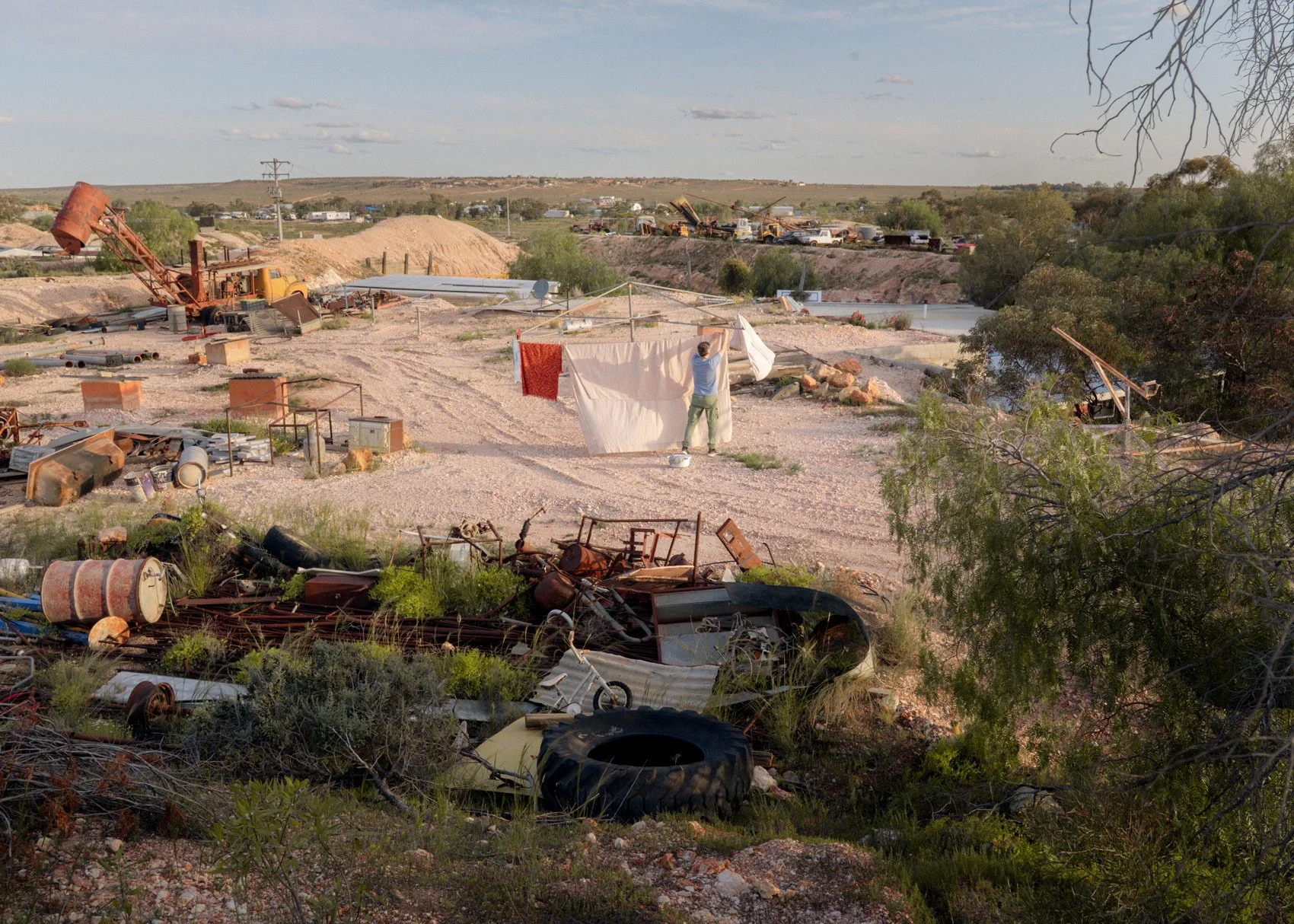
In a country where nearly 90% of the population is concentrated in major cities, this community goes against the global shift towards urban living. To live here, residents drive three hours each way to the nearest supermarket, dig and carve their homes out of the rock themselves and adapt to the droughts, floods and extreme temperatures that define the desert climate.
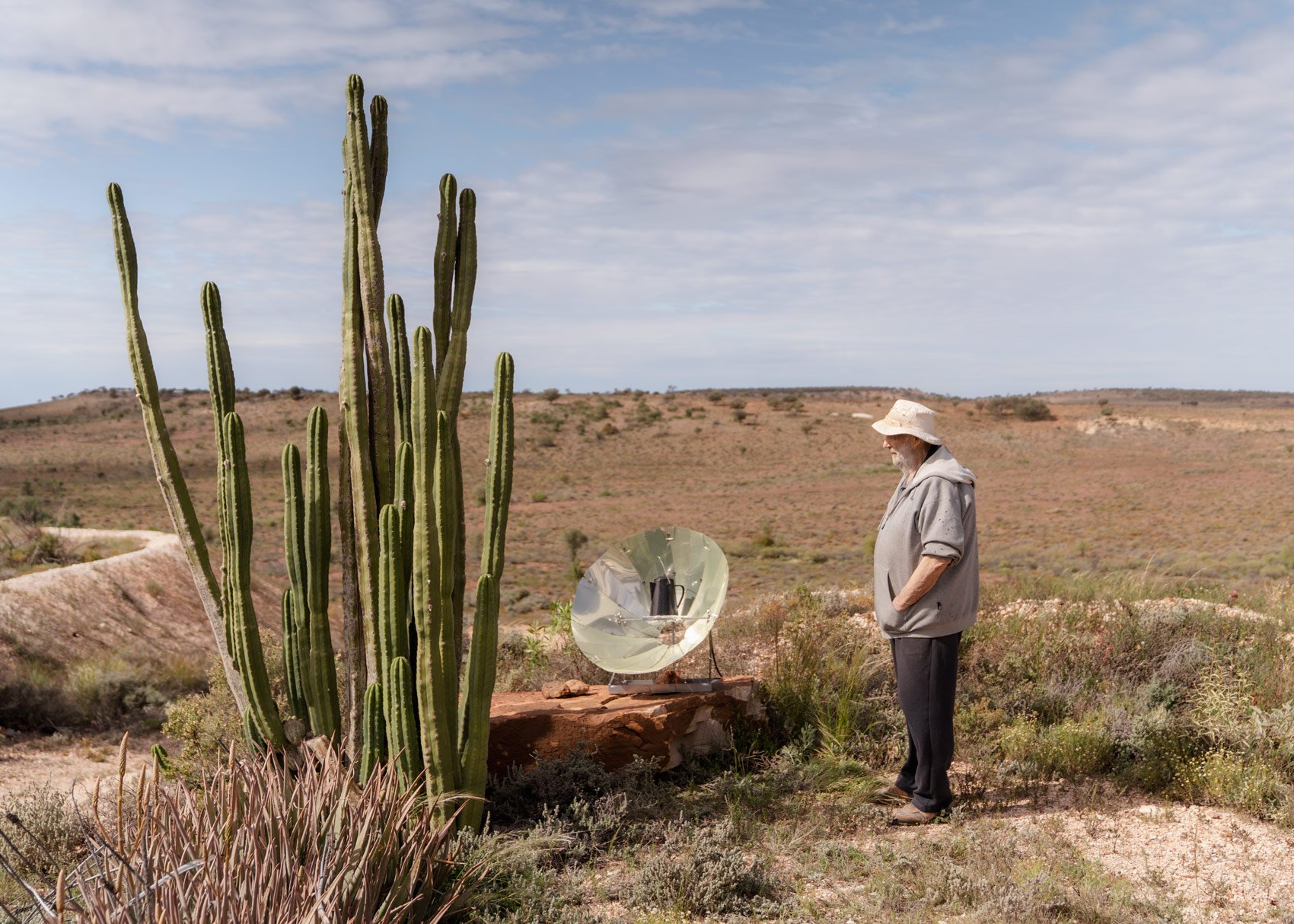
This project examines daily life in this seemingly inhospitable place, the people who call it home, and how they navigate physical isolation and a symbiotic relationship with their environment in one of Australia’s most remote towns. As the world faces growing challenges around climate, energy and urban overpopulation, the question arises: could underground living be part of our future? White Cliffs offers a glimpse of that, showing that for some, it’s already a practical reality.